Reverse Osmosis (RO) Plant

The Heart of a Modern Water Purification System

Transforming Raw Water into Pure, Safe, and High-Quality Drinking Water.

A Reverse Osmosis (RO) Plant is an advanced water purification system that uses a semi-permeable membrane and high pressure to remove dissolved salts, bacteria, viruses, heavy metals, chemicals, and other impurities from water.
RO technology is one of the most effective and widely used purification methods in the packaged drinking water, mineral water, pharmaceutical, and food industries.

What is Reverse Osmosis?

The word “Osmosis” means the natural movement of water from a low-concentration solution to a high-concentration solution through a semi-permeable membrane.


Isotonic outside → little net movement
coutc_{out}cout
LowerEqualHigher
LowerEqualHigher


Reverse Osmosis works in the opposite direction. By applying pressure, pure water is forced through the membrane while impurities are rejected and removed as wastewater.

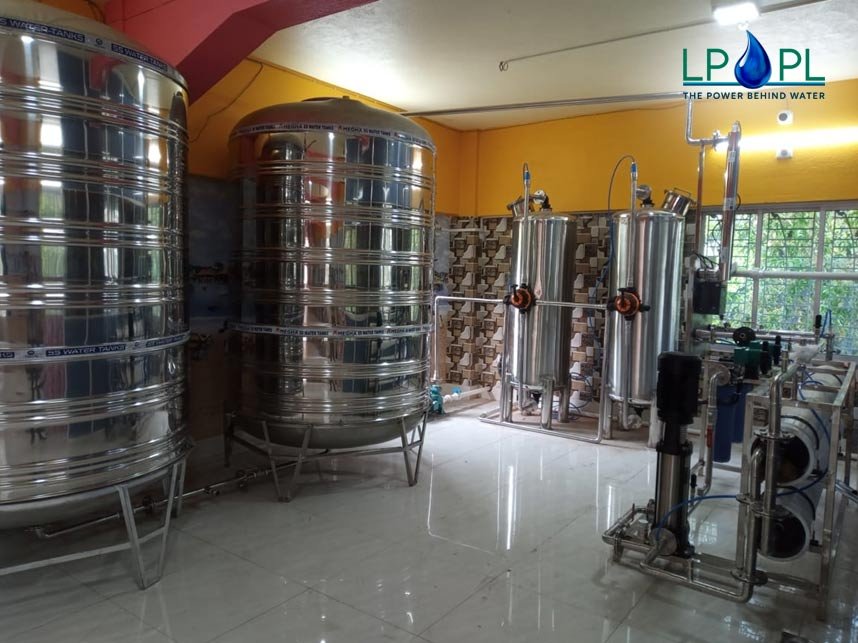
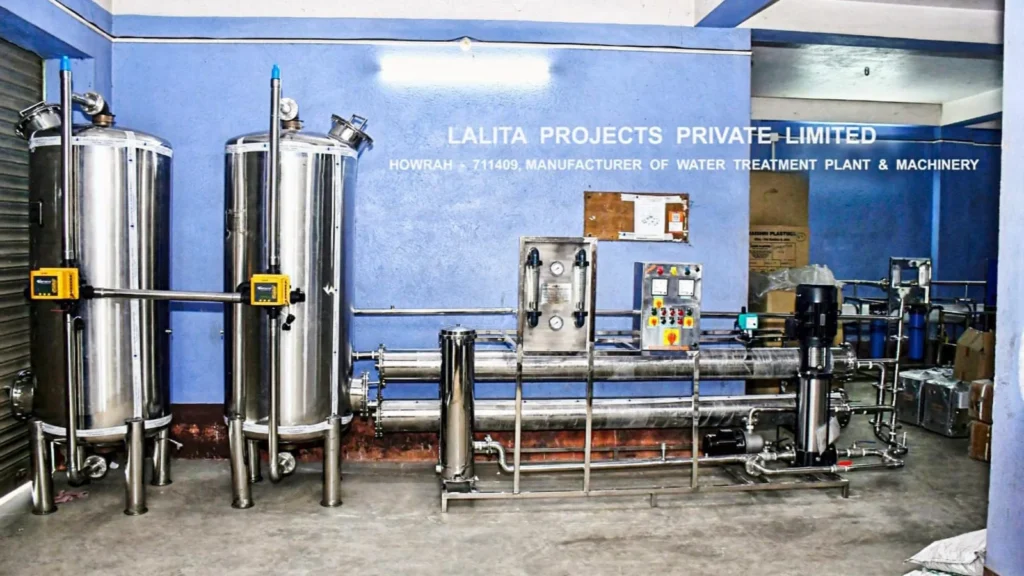
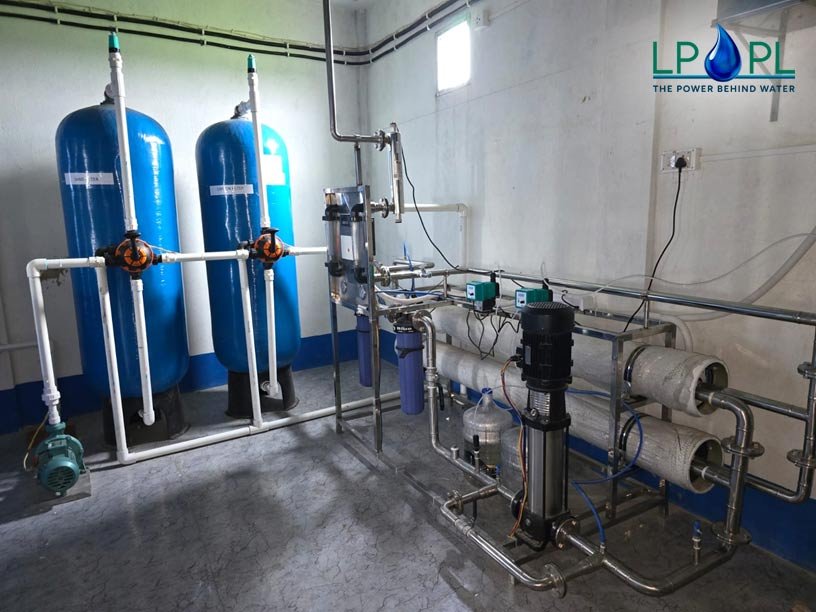
Reverse Osmosis Plant - Lalita Projects Pvt. Ltd.

How Does an RO Plant Work?

Step 1: Raw Water Collection

Water is collected from:

✅  Borewell
✅  River
✅  Municipal Supply
✅  Surface Water Sources

Step 2: Pre-Treatment System

Multi-Grade Sand Filter

Removes:
✅ Dust
✅ Sand
✅ Suspended particles
✅ Turbidity

Activated Carbon Filter

Removes:
✅  Chlorine
✅  Bad odor and taste
✅  Organic impurities

Water Softener

Removes:
✅  Calcium
✅  Magnesium
✅  Hardness-causing minerals

Step 3: Micron Cartridge Filter

Removes fine particles up to 5 micron or 1 micron and protects the RO membranes.

Step 4: High-Pressure Pump
The high-pressure pump increases water pressure to force water through the RO membrane.
Step 5: RO Membrane

The membrane removes:

✅ Dissolved Salts (TDS)
✅ Bacteria and Viruses
✅ Heavy Metals
✅ Fluoride
✅ Arsenic
✅ Iron
✅ Chemical Contaminants

Water Separation in an RO Plant

Permeate Water

Pure water produced by the RO system.

Reject Water

Concentrated wastewater containing dissolved impurities.

Main Components of an RO Plant

✅ Raw Water Tank
✅ Feed Pump
✅ Sand Filter
✅ Carbon Filter
✅ Water Softener
✅ Micron Cartridge Filter
✅ High-Pressure Pump
✅ RO Membrane Housing
✅ RO Membranes
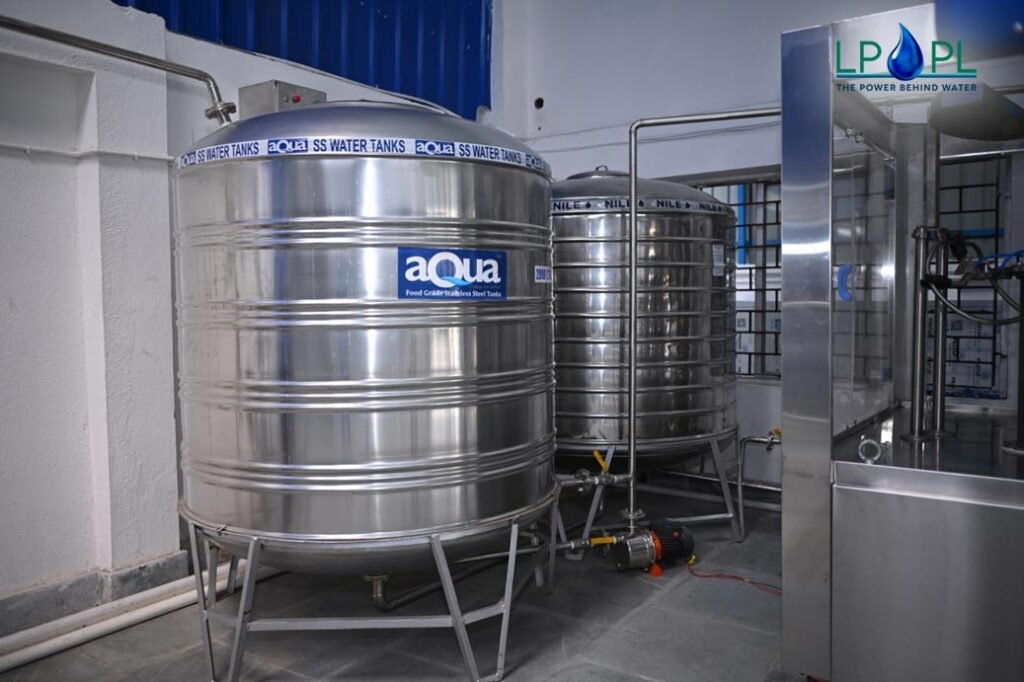
✅ Pure Water SS Storage Tank
✅ UV Sterilizer
✅ Ozonator
✅ Control Panel

Types of RO Plants

FRP RO Plant

✅ Economical

✅ Corrosion resistant

✅ Suitable for small capacities

SS RO Plant

✅ Hygienic and durable
✅ Premium appearance with ss304
✅ Ideal for mineral water industries

Machine Model Capacity
LPPL_RO-250 250 LPH
MLPPL_RO-500 500 LPH
LPPL_RO-1000 1000 LPH
LPPL_RO-2000 2000 LPH
LPPL_RO-3000 3000 LPH
LPPL_RO-4000 4000 LPH
LPPL_RO-5000 5000 LPH
LPPL_RO-6000 5000 LPH
LPPL_RO-8000 8000 LPH
LPPL_RO-10000 10000 LPH

Available Capacities

Water is collected from:

✅  Borewell
✅  River
✅  Municipal Supply
✅  Surface Water Sources

Advantages of an RO Plant

✅  Removes up to 95–99% of dissolved impurities.
✅  Produces safe and hygienic drinking water.
✅  Improves taste and clarity of water.
✅  Ensures consistent water quality.
✅  Low operating cost and high efficiency.
✅  Essential for packaged drinking water manufacturing.

Industries Using RO Plants

  • Packaged Drinking Water Plants
  • Mineral Water Industries
  • Food and Beverage Industries
  • Pharmaceutical Industries
  • Hotels and Hospitals
  • Chemical and Industrial Processing Plants
Why is an RO Plant Important for Mineral Water Manufacturing?

The quality of bottled water depends on the quality of purification. A properly designed RO plant:

✅  Produces safe drinking water.
✅  Helps meet regulatory standards.
✅  Enhances customer confidence.
✅  Protects brand reputation.
✅  Increases business profitability.

Why Choose Lalita Projects Pvt. Ltd.