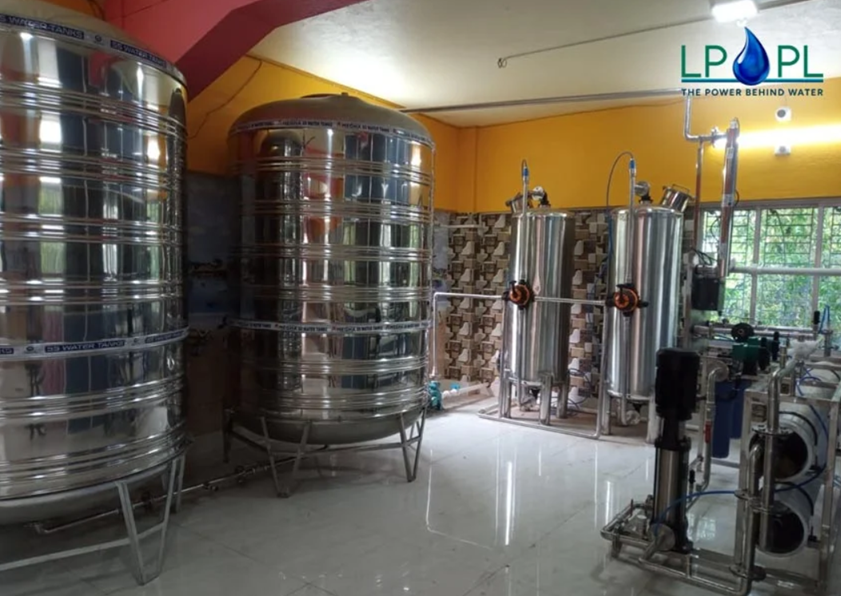
When people think about a mineral water plant, Reverse Osmosis (RO) is often the first technology that comes to mind. However, RO is only one part of a much larger water purification and bottling process. A modern mineral water plant uses multiple treatment stages to transform raw water into safe, hygienic and packaged drinking water.
1. Raw Water Storage and Pre-Treatment
The process begins with a raw water storage tank, which receives water from sources such as bore wells, municipal supplies or other approved sources. Before reaching the RO system, the water passes through several pre-treatment stages.
A multi-grade sand filter removes suspended particles, dust and turbidity, while an activated carbon filter helps reduce chlorine, colour, odour and organic impurities. Depending on the quality of the source water, a water softener and iron removal system may also be used.
2. Fine Filtration and RO Purification
After pre-treatment, the water passes through a micron cartridge filter, which removes finer particles. It then enters the RO system.
RO uses a semi-permeable membrane to reduce dissolved salts, heavy metals and other unwanted contaminants. However, the purification process does not end here. RO is one important stage within a complete treatment system rather than the entire plant.
3. UV and Ozone: The Final Protection
Following RO treatment, water passes through a UV steriliser, which helps eliminate bacteria and viruses. The next stage is ozone treatment, which provides additional disinfection and can help improve the shelf life of packaged water.
4. Mineral Addition and Storage
Once the water has undergone the required purification and disinfection stages, a mineral dosing system can be used to add essential minerals and achieve the desired taste profile. The treated water is then stored hygienically before entering the bottling section.
5. From Purified Water to Finished Bottles
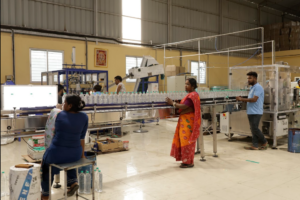
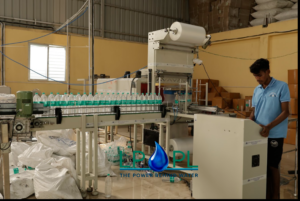
The final stage involves sophisticated bottling machinery. Depending on the plant configuration, this can include bottle blowing machines, RFC (Rinsing, Filling & Capping) machines, BOPP labelling machines and shrink-wrapping systems. These machines help automate bottle production, filling and packaging while improving consistency and production efficiency.
Building the Complete Plant
A successful mineral water factory requires more than individual machines. Lalita Projects Private Limited provides complete turnkey solutions, covering plant design, machinery selection, installation, commissioning, licensing support, operator training and technical assistance. Its available plant capacities range from 500 LPH to 10,000+ LPH, allowing businesses to select a configuration suited to their production requirements.
A modern mineral water plant is a carefully integrated system where pre-treatment, RO purification, UV sterilisation, ozonation, mineral dosing and automated bottling work together. Looking beyond RO helps entrepreneurs understand why choosing the right technology, plant capacity and turnkey manufacturer is essential for establishing an efficient and reliable packaged drinking water business.