Starting a mineral or packaged drinking water business in India can be a promising investment, but the mineral water plant setup cost is not a fixed figure. The total investment depends on several factors, including production capacity, level of automation, machinery selection, water source, packaging requirements, factory infrastructure and statutory approvals. Therefore, entrepreneurs should evaluate the complete project rather than choosing a plant solely on the basis of machinery price.
1. Production Capacity
Capacity is one of the biggest factors affecting investment. Lalita Projects offers mineral water plant configurations ranging from 500 LPH to 10,000 LPH and above. A higher-capacity plant generally requires greater investment in water treatment, bottling and supporting equipment, but it can also provide significantly higher production potential.
Choosing capacity according to your expected market demand and business objectives is therefore essential.
2. Level of Automation
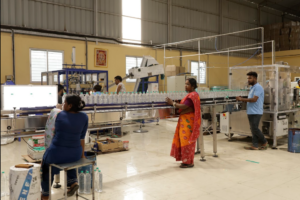
The degree of automation also influences the initial investment. A packaged drinking water factory may require equipment such as:
- RO and water treatment systems
- Bottle blowing machines
- RFC (Rinsing, Filling & Capping) machines
- BOPP labelling machines
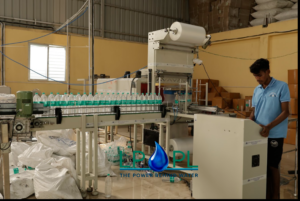
- Shrink-wrapping machines
- Air compressors and ancillary equipment
Lalita Projects supplies these systems as part of its turnkey solutions. Automated equipment can require a higher initial investment, but it can improve production efficiency, consistency and manpower utilisation.
3. Water Quality and Treatment Requirements
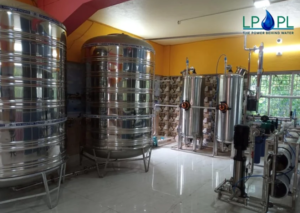
The quality of the raw-water source directly affects the treatment process. A typical plant may include sand filtration, activated carbon filtration, water softening, iron removal, micron filtration, RO, UV sterilisation, ozonation and mineral dosing. Not every water source necessarily requires the same configuration, making a proper assessment important before finalising the project.
4. Packaging and Bottle Production
Your choice of packaging—such as 200 ml, 500 ml, 1 litre, 2 litre or larger jars—can influence the machinery and overall project configuration. Businesses producing PET bottles may also require bottle blowing equipment and supporting machinery.
5. Licences, Laboratory and Compliance
Investment should also account for regulatory requirements, including FSSAI licensing, BIS certification, GST registration, trade licensing and applicable pollution, factory and groundwater approvals. A suitable laboratory setup may also be required for BIS compliance.
How Lalita Projects Can Help
Rather than offering a one-size-fits-all package, Lalita Projects follows a structured process covering enquiry, site survey, plant design, machinery selection, installation, licensing and commissioning. Its team can assess your requirements, location, proposed capacity and budget before developing an appropriate project configuration.
With 26+ years of experience and 1,500+ plants installed, Lalita Projects provides complete turnkey solutions, including technical support, operator training and after-sales services.