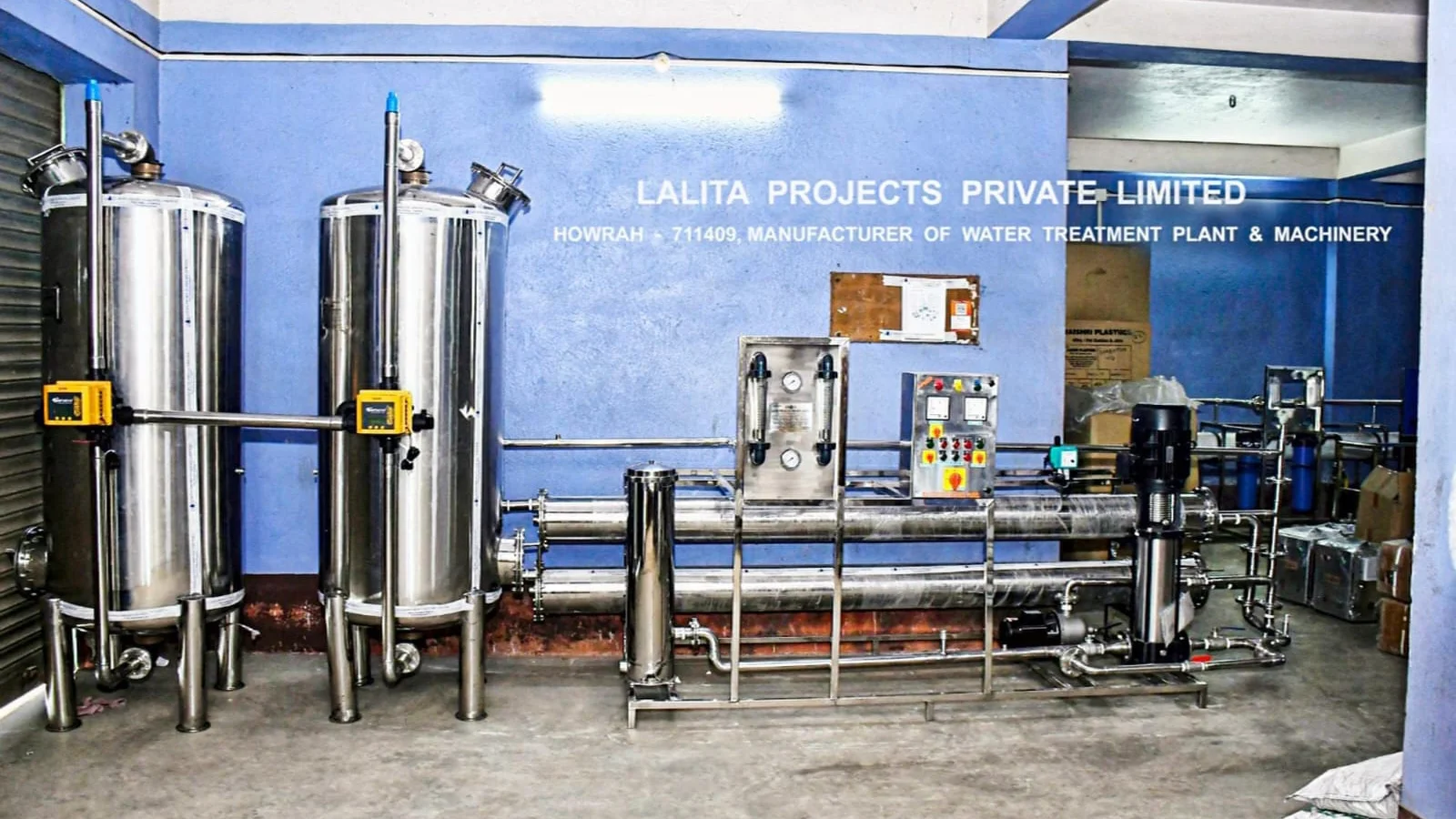
A Commercial RO Plant is the backbone of any packaged drinking water or mineral water manufacturing facility. It removes dissolved salts, harmful microorganisms, and other contaminants to produce safe, high-quality water. However, even the most advanced Reverse Osmosis (RO) systems can experience operational issues if they are not maintained correctly. Understanding these challenges helps plant owners improve efficiency, reduce downtime, and extend the life of their equipment.
Here are some of the most common challenges faced in commercial RO plant operations.
1. Membrane Fouling
RO membranes are highly effective but are susceptible to fouling caused by suspended solids, organic matter, bacteria, and mineral deposits. Fouled membranes reduce water flow and increase energy consumption.
Solution:
- Regular membrane cleaning
- Effective pre-treatment systems
- Scheduled maintenance inspections
2. Scaling Due to Hard Water
Hard water contains minerals such as calcium and magnesium, which can accumulate on RO membranes over time. Scaling reduces filtration efficiency and shortens membrane lifespan.
Preventive measures include:
- Installing water softeners
- Using anti-scalant chemicals
- Monitoring feed water quality regularly
3. Fluctuating Feed Water Quality
The quality of raw water often changes due to seasonal variations or environmental factors. Sudden changes can affect the performance of the RO plant if not properly managed.
Routine water quality analysis enables operators to adjust treatment parameters before problems arise.
4. Pressure Variations
RO systems require consistent operating pressure. Low pressure reduces water production, while excessive pressure may damage membranes and associated components.
Proper pump maintenance and pressure monitoring are essential for stable operation.
5. Inadequate Maintenance
Neglecting routine servicing often leads to:
- Reduced water recovery
- Higher operating costs
- Frequent equipment breakdowns
- Premature replacement of components
A preventive maintenance schedule is always more cost-effective than emergency repairs.
6. Operator Errors
Incorrect valve operation, delayed filter replacement, or improper chemical dosing can significantly affect plant performance. Well-trained operators play a crucial role in maintaining consistent water quality.
7. High Energy Consumption
Commercial RO plants consume considerable electricity. Poorly maintained pumps and clogged membranes force the system to work harder, increasing operating expenses.
Energy-efficient equipment and regular servicing help minimise power consumption.
Efficient Commercial RO Plant operation requires much more than installing quality equipment. Regular monitoring, preventive maintenance, operator training, and timely replacement of consumables are essential for maintaining consistent water quality and reducing operational costs. For businesses planning a Mineral Water Factory Setup in West Bengal, partnering with an experienced manufacturer that provides complete RO plant design, installation, commissioning, and after-sales support ensures reliable performance and long-term success. A proactive maintenance strategy not only safeguards production but also protects your investment for years to come.